CNC Swiss Machining Services | MS Machining

We provides CNC Swiss machining services for custom small-diameter, complex precision components. We manufacture parts to your drawings and specifications, including inspection and finishing as required, for both low- and high-volume orders.

Swiss CNC Machining Capabilities

Machining Specifications

Maximum Bar Stock Diameter
32 mm 1.26 in
Maximum Machining Length
320 mm 12.6 in · per stroke, with guide bushing
Machining Operations
CNC Turning, Milling, Drilling & Threading
Machining Access
Axial, Radial & Back-End Operations
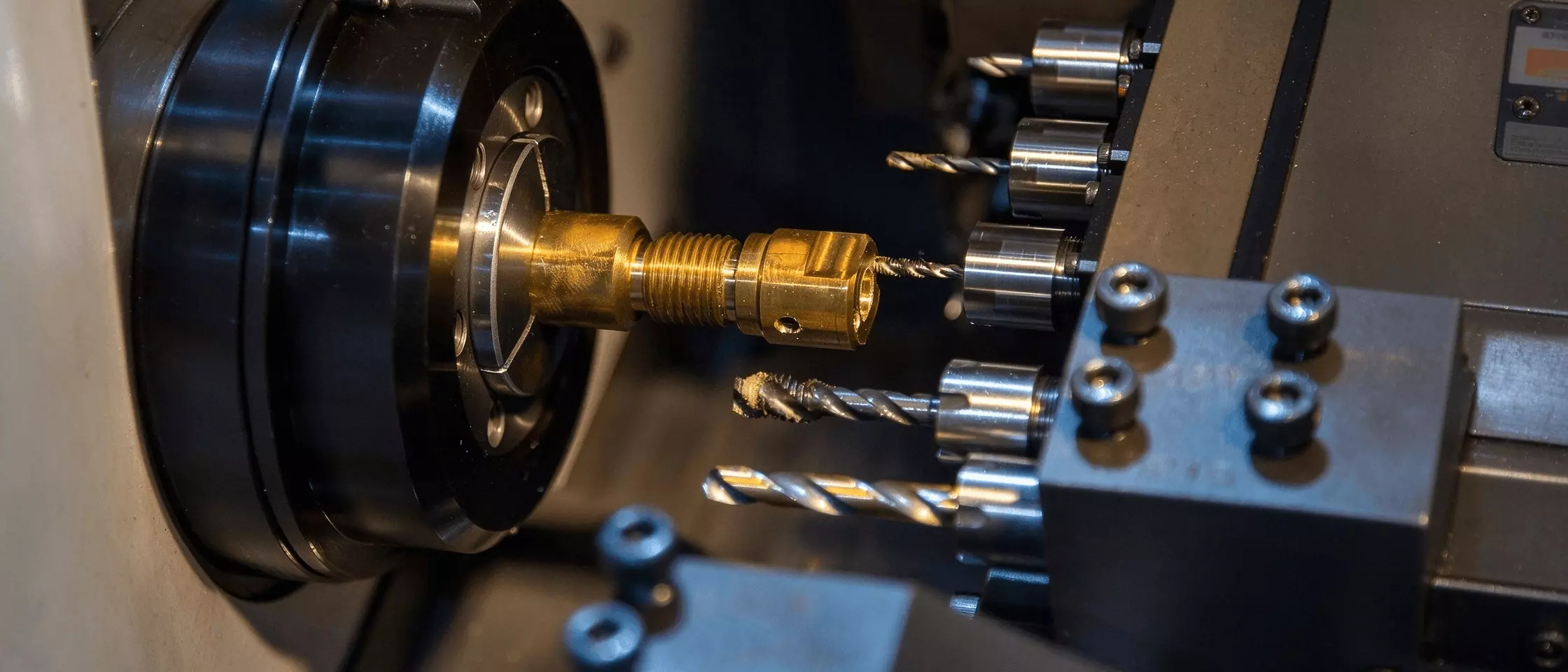
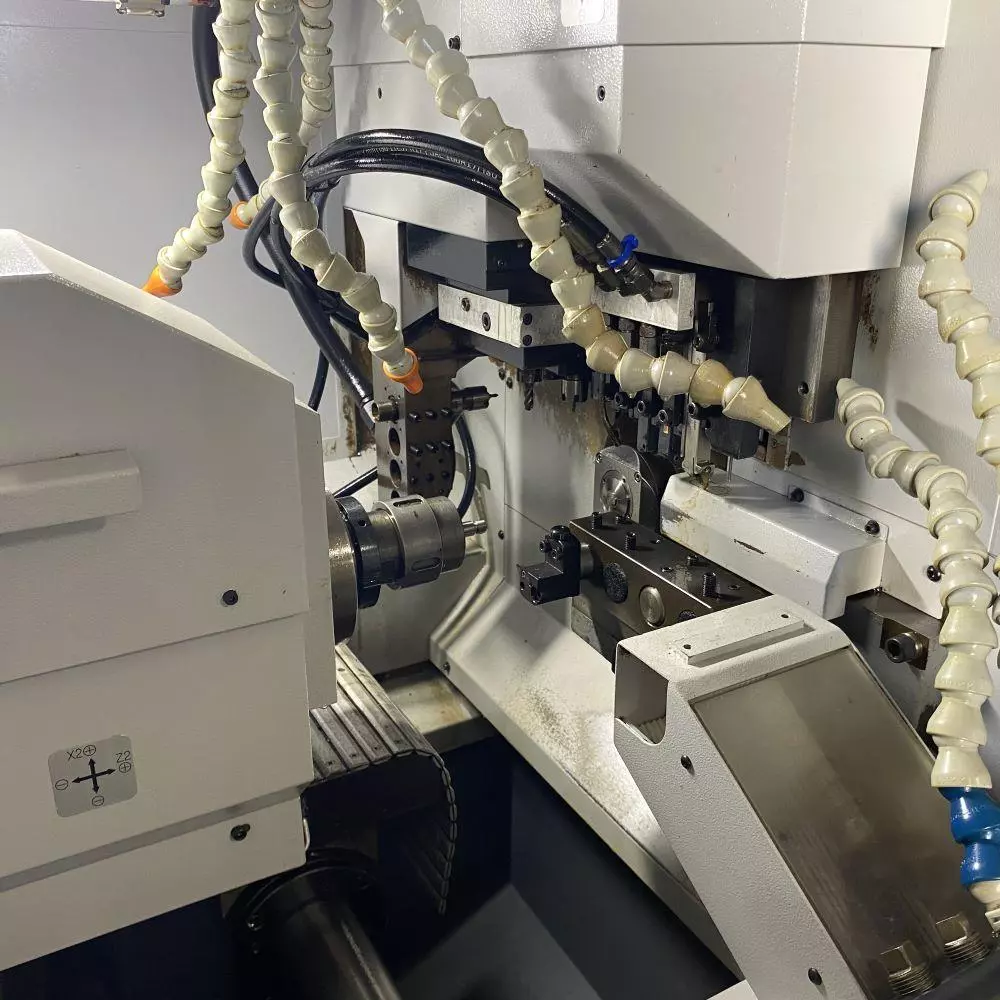
Swiss-type CNC lathe machining a precision metal component

Small-Diameter & Slender Components

We machine slender components with stepped diameters, shoulders, reduced sections, and thin walls. Swiss-type machining supports the material close to the cutting point, helping reduce deflection when producing long, narrow profiles that are difficult to machine with conventional turning.

Custom Complex Part Geometries

We manufacture custom Swiss-machined components with multiple diameters, cross-drilled holes, eccentric features, milled flats, and internal or external threads. Parts with different features on the front, sides, and back can be manufactured to your drawings, including non-standard geometries and application-specific designs.

Request a Quote

Tolerances & Quality Control

Dimensional & Geometric Tolerances

Standard Dimensional Tolerance

±0.01 mm

Critical Diameter Tolerance

±0.005 mm

Geometric Tolerances

Roundness, cylindricity, position, and runout per drawing requirements.

Surface Roughness

Ra 0.8–1.6 μm

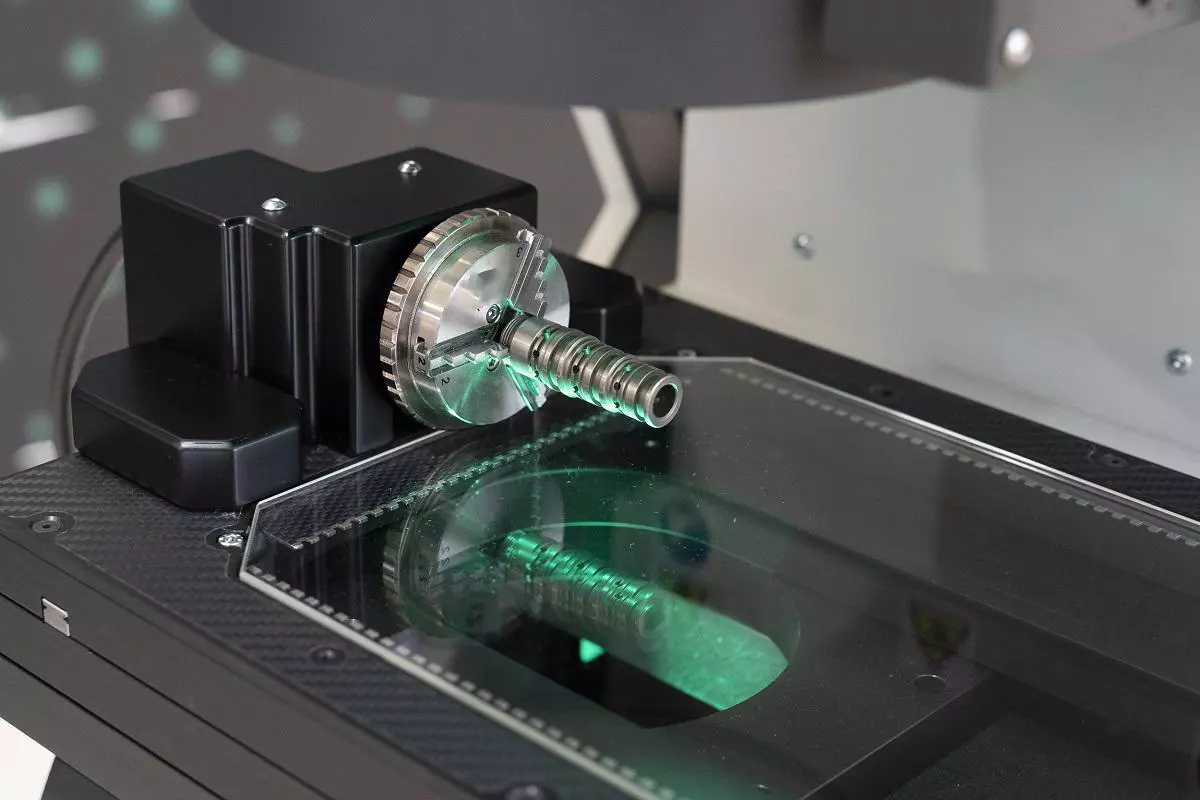
Dimensional inspection of a precision CNC Swiss-machined metal component using metrology equipment

Quality Inspection & Documentation

First-off parts are inspected against your drawings before production continues. Critical dimensions are monitored during machining, and finished parts are checked against the agreed dimensional and geometric requirements. Inspection reports and material certificates can be provided upon request.

Request a Quote

SWISS CNC MACHINING

Custom Swiss-Machined Parts & Production

Materials & Finishing Requirements

We manufacture Swiss-machined components from stainless steel, aluminum, brass, carbon steel, and engineering plastics. Material and bar stock selection affect machining performance, burr formation, and finished surface condition.

Stainless Steel 303 · 304 · 316 · 17-4 PH
Aluminum 6061 · 7075
Brass C360
Carbon Steel 1018 · 1045
Engineering Plastics POM · PEEK

Finished-Part Requirements

Deburring, cleaning, passivation, anodizing, plating, and other specified finishes are considered according to the material and drawing requirements. Particular attention is given to intersecting holes, internal threads, and functional mating surfaces.

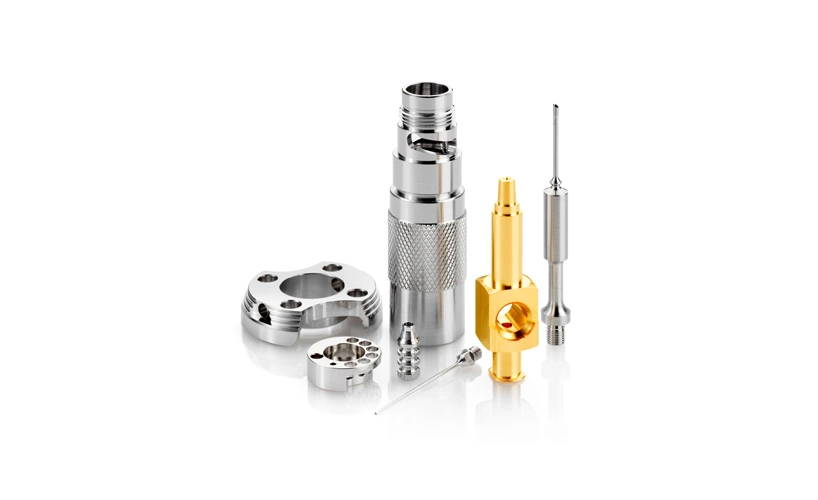
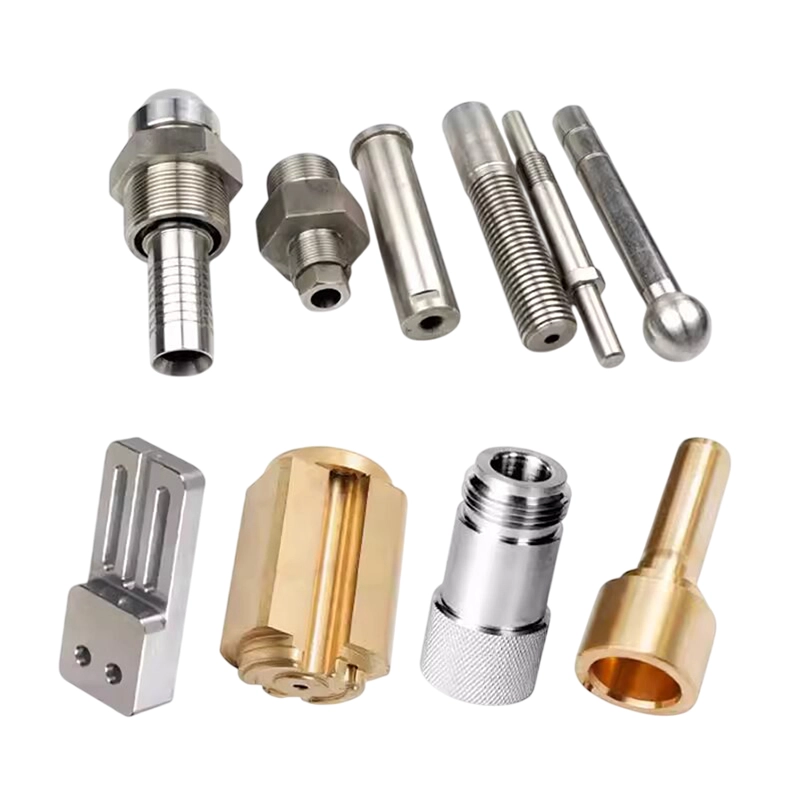
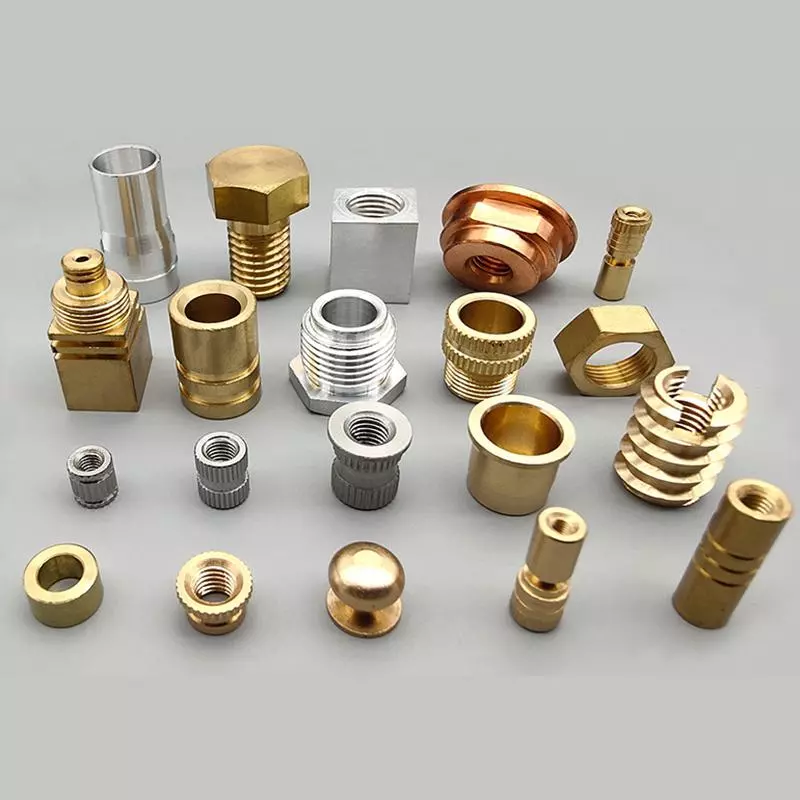
Precision Swiss-machined components made from stainless steel, aluminum and brass

Swiss-Machined Components

We manufacture custom Swiss-machined components for mechanical assemblies, precision instruments, fluid-handling systems, and industrial equipment.

Swiss CNC-machined precision shafts and pins with stepped diameters and shoulders

Precision Shafts & Pins

Positioning, guiding, rotating and mechanical connection components with specified diameters, shoulders, and contact surfaces.

Precision Swiss-turned bushings, sleeves and threaded metal connectors

Bushings, Sleeves & Connectors

Components requiring internal bores, threaded connections, mating fits, and functional sealing surfaces.

Additional parts include precision fittings and custom Swiss-turned components manufactured to customer drawings, including non-standard configurations and specific assembly requirements.

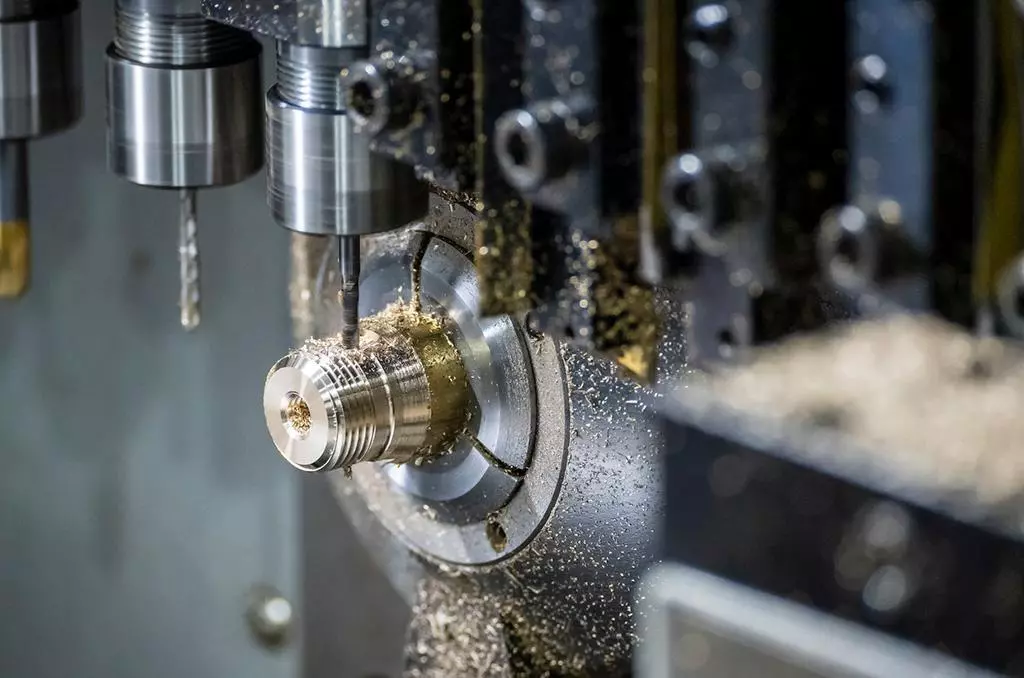
Swiss-type CNC automatic lathe machining precision small-diameter metal components

Production Planning & Cost Factors

For prototype and production orders, we review drawings, material specifications, quantities, and finishing requirements to determine the machining process and necessary secondary operations.

Repeat production uses established machining programs, tooling arrangements, and inspection criteria. Tool wear and dimensional changes require monitoring during longer runs, especially for small features and critical mating surfaces.

Main Factors Affecting Unit Cost

  • Material grade, bar diameter & utilization
  • Part geometry, cycle time & tooling
  • Order quantity & setup requirements
  • Secondary finishing & inspection

Combining machining operations can reduce additional setups and handling. Actual unit cost depends on the component design and order requirements rather than part size alone.
Ready to Review Your Part?

Send your drawings, material specifications, and estimated order quantity for a manufacturing review and quotation.

Request a Quote

FREQUENTLY ASKED QUESTIONS

CNC Swiss Machining FAQs

01 What is the difference between Swiss machining and conventional CNC turning?

Swiss machining supports the bar stock close to the cutting tool using a guide bushing, reducing material deflection during machining. This makes it particularly suitable for long, slender components and small-diameter parts with demanding features. Conventional CNC turning may be more economical for shorter, larger-diameter, or less complex components. The appropriate process depends on part geometry, tolerances, and production quantity.

02 Can you manufacture Swiss-machined parts from custom drawings?

Yes. We manufacture custom Swiss-machined components based on customer drawings and specifications rather than fixed catalog designs. For quotation, please provide a 2D drawing or 3D model, material requirements, estimated quantity, and any specified finishing or inspection requirements. We review the design to determine machining feasibility and identify any details that need clarification before production.

03 Are all small-diameter parts suitable for Swiss machining?

Not necessarily. Part diameter alone does not determine whether Swiss machining is the best option. Length-to-diameter ratio, feature complexity, bar stock requirements, tolerances, and order quantity also matter. A short, simple component may be more economical to produce using conventional CNC turning, while Swiss machining can be advantageous for slender parts or designs requiring several operations.

04 Can Swiss machining produce parts with both turned and milled features?

Yes. Depending on the machine configuration and part design, Swiss-type CNC machines can combine turning with cross-drilling, milling, threading, and back-end operations. This can reduce the need to transfer components between machines. Features that require special tooling or additional setups are evaluated during drawing review.

05 Can you produce prototypes and small batches before volume production?

We support prototype and production orders, with the manufacturing approach evaluated according to part complexity and quantity. For small batches, programming, tooling, and machine setup can represent a larger share of the unit cost. If the project is expected to move into repeat production, providing both the initial and projected quantities helps us assess the manufacturing approach and prepare an appropriate quotation.

06 How do you maintain consistency across repeat production batches?

Repeat production is based on established machining programs, tooling arrangements, and agreed inspection requirements. First-off inspection is used to verify critical features before continued production, while tool wear and dimensional variation are monitored during machining. Inspection frequency and documentation requirements can be determined according to the drawing and order specifications.

07 What affects the cost of custom Swiss-machined components?

Cost depends on material grade, bar diameter, part length, geometric complexity, machining cycle time, tooling, order quantity, and any secondary finishing or inspection requirements. A small component is not necessarily inexpensive if it requires several cutting operations or difficult-to-access features. We evaluate these factors together when reviewing drawings and preparing a quotation.

08 What information do you need to quote CNC Swiss machining services?

Please send your technical drawings or 3D files, material grade, required quantity, and any finishing or inspection specifications. For parts with critical fits, threads, or assembly interfaces, clearly identifying those requirements helps us review the design accurately. If you have multiple production quantities in mind, include them so we can evaluate the quotation accordingly.

Scroll to Top

Get in Touch

Tell us what you need manufactured, and our team will review your inquiry and follow up with you.