CNC Turning Services by MS Machining

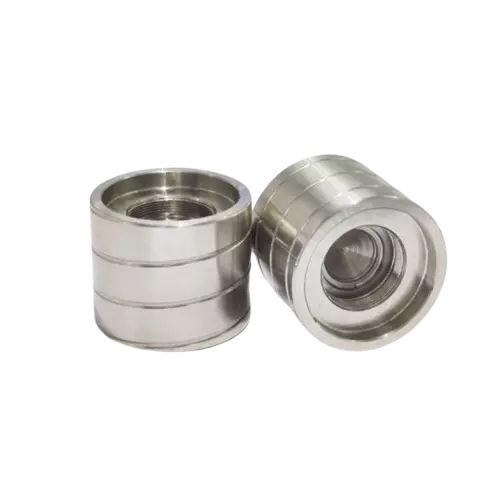
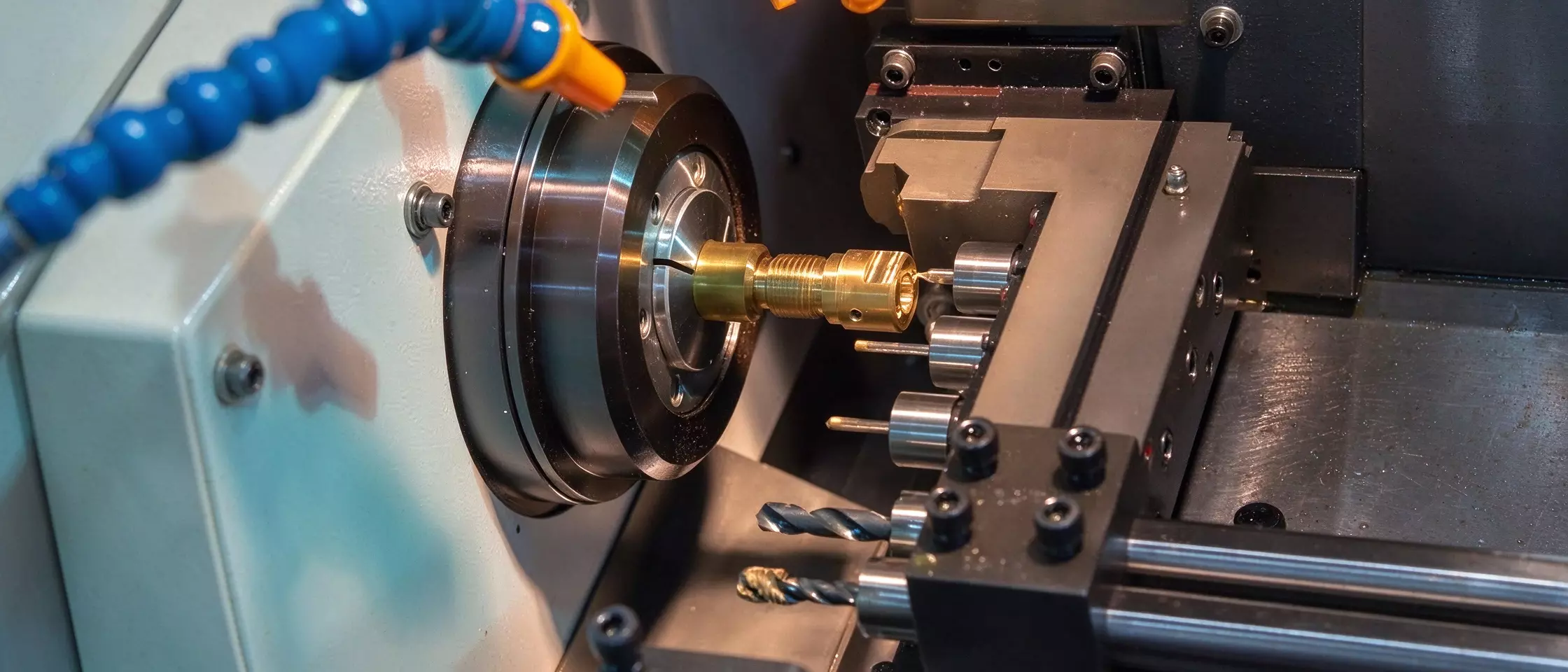
MS Machining provides custom CNC turning services for parts made to your drawings and specifications. We manufacture components with stepped diameters, precision bores, internal and external threads, grooves, and other turned features. Our services cover prototypes, small batches, and production orders, with secondary machining and surface finishing available as required.

Custom CNC Turned Parts & Features

MS Machining manufactures CNC turned parts according to your drawings and specifications. Common parts include shafts, bushings, sleeves, threaded fittings, flanges, housings, and other rotational components. We also produce parts with additional drilled or milled features when required by the design.

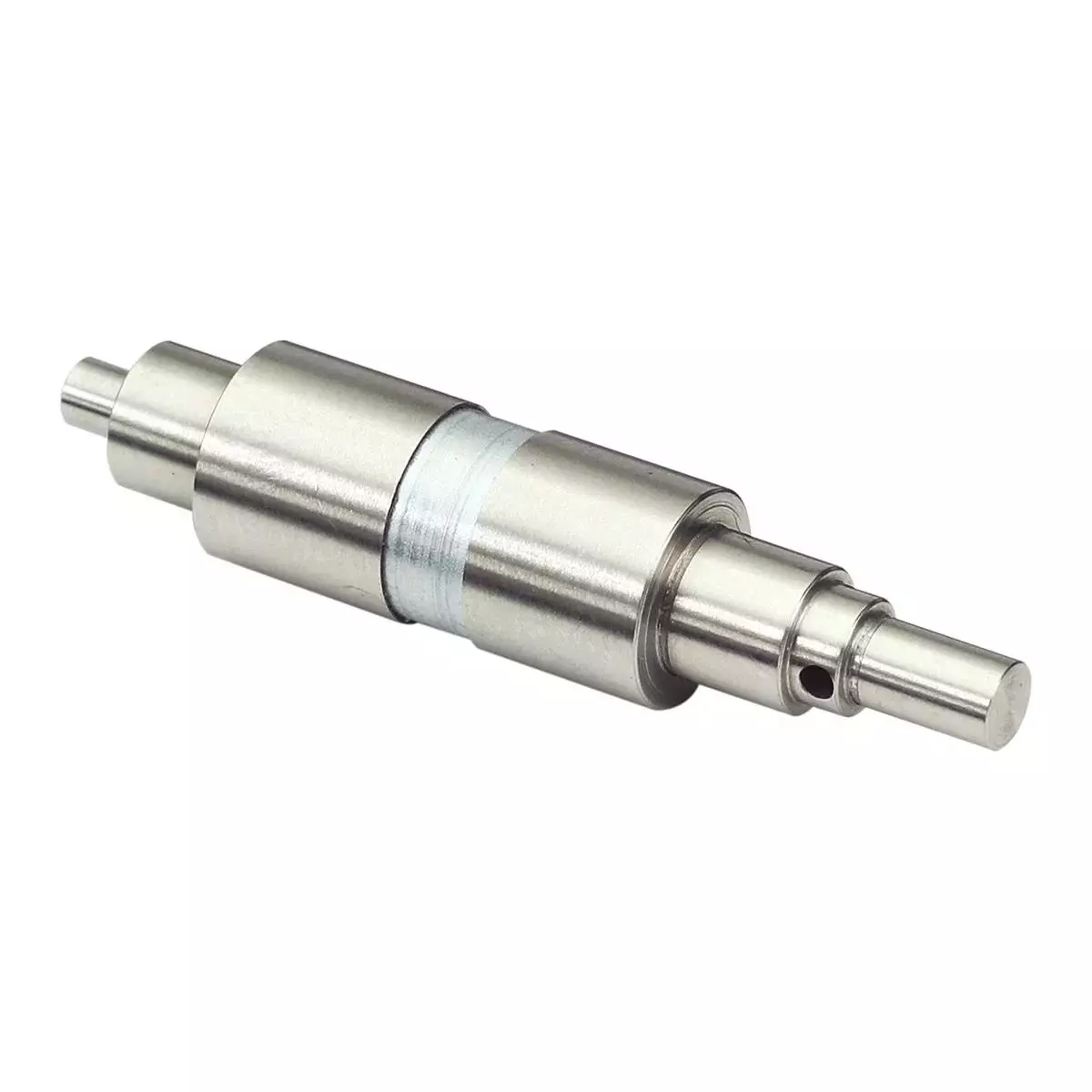
CNC turned part with stepped diameters and shoulders

External Diameters & Shoulders

Straight and stepped diameters, shoulders, and tapered sections.
CNC machined component with precision internal bores

Bores & Internal Features

Through bores, blind bores, stepped bores, and internal profiles.
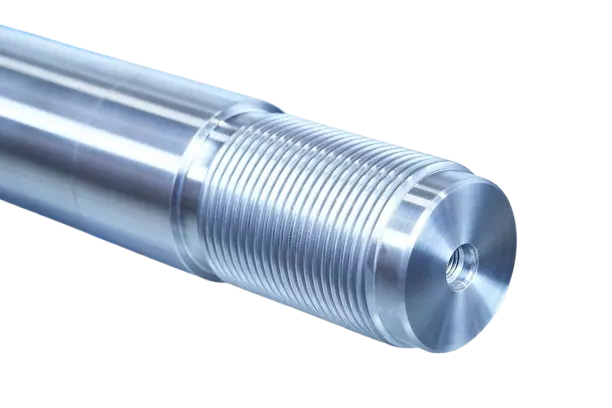
CNC turned component with internal and external threads

Internal & External Threads

Metric, imperial, and drawing-specified threads.
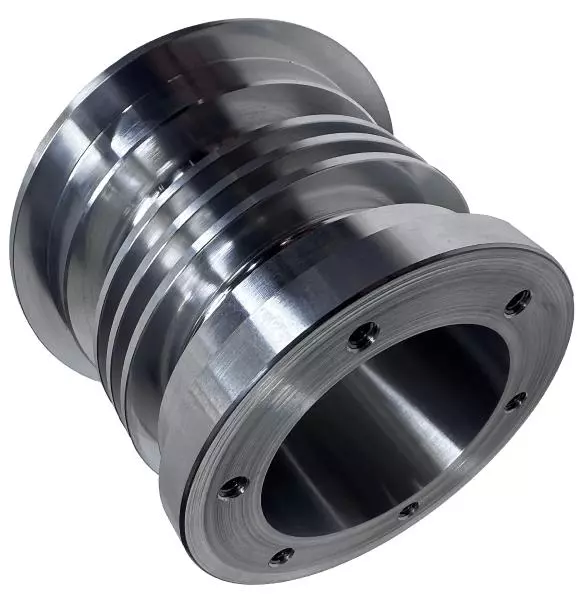
CNC turned part with grooves and undercuts

Grooves & Undercuts

Internal and external grooves, relief cuts, and seal grooves.
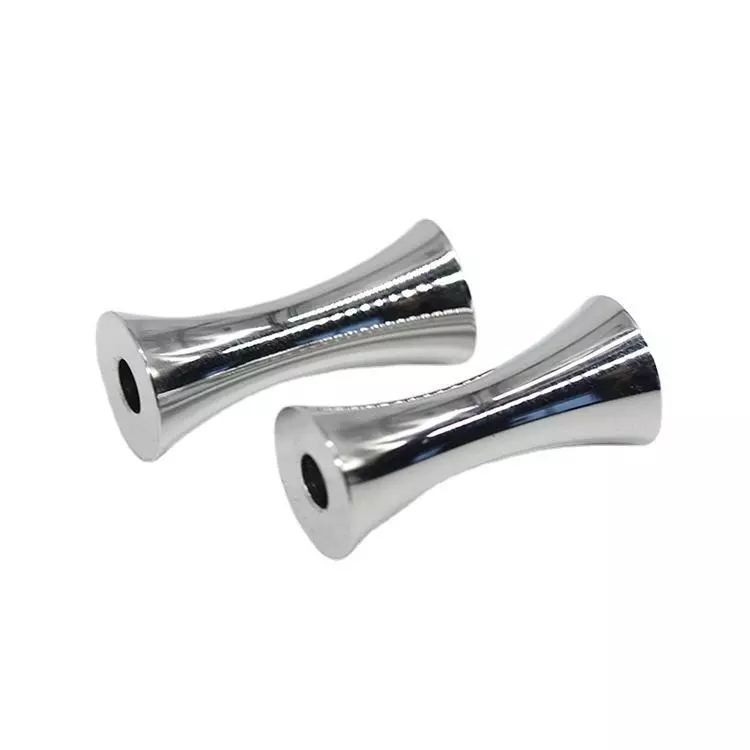
CNC turned component with contoured rotational profile

Contoured Profiles

Radii, curved surfaces, and rotational contours.
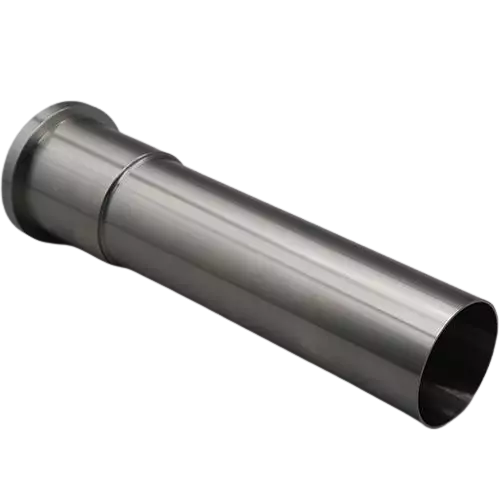
Thin-walled CNC turned sleeve component

Thin-Walled Sections

Sleeves, hollow parts, and tubular sections.
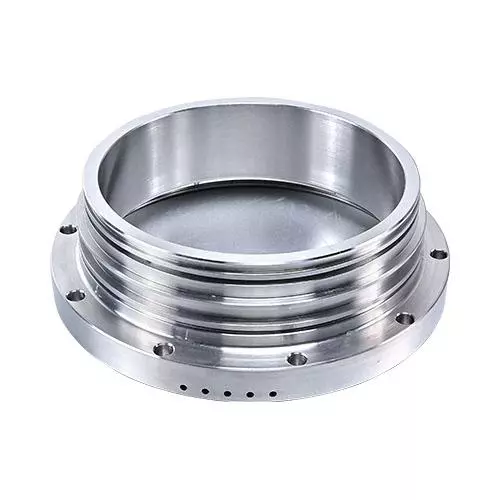
Precision CNC turned mating and sealing surfaces

Mating & Sealing Surfaces

Bearing seats, fitted diameters, end faces, and sealing surfaces.
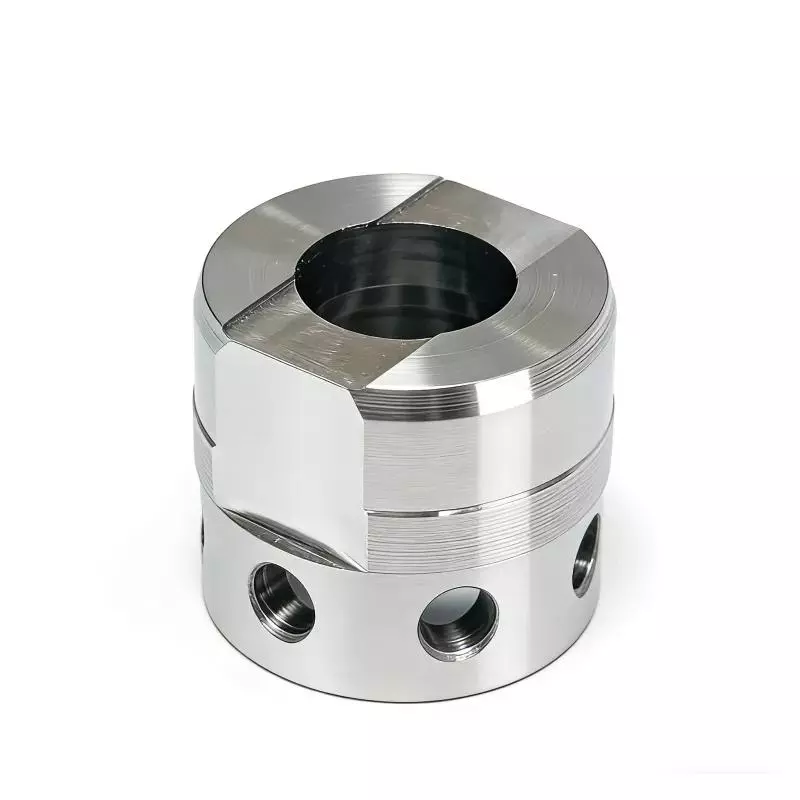
CNC turned part with secondary drilled and milled features

Additional Machined Features

Cross holes, flats, and slots requiring drilling or milling.

Manufactured to Your Drawings

We manufacture parts to your individual designs rather than a fixed product range. Other turned components can be quoted following a review of your drawings, material, tolerances, and quantity.

MACHINING SPECIFICATIONS

CNC Turning Tolerances & Surface Finish

MS Machining manufactures CNC turned parts to the dimensional, geometric, and surface finish requirements specified in your drawings. We achieve dimensional tolerances down to ±0.01 mm on critical features and provide different surface finishes to meet the requirements of mating, rotating, and sealing components.

CNC Turning Tolerance Capabilities

TECHNICAL DATA
Specification Capability
General Dimensional Tolerances ISO 2768-m, where specified
Precision Dimensional Tolerances ±0.01 mm on critical features
Shaft & Bore Fits Clearance, transition, and interference fits
Geometric Tolerances Roundness, cylindricity, perpendicularity, coaxiality, and runout to drawing specifications
Standard Surface Roughness Ra 3.2 μm
Fine Surface Roughness Ra 1.6 μm / Ra 0.8 μm

Fits & Geometric Accuracy

For shafts, bushings, bearing seats, and other mating components, we machine to specified diameter limits and geometric tolerances. Roundness, cylindricity, and runout are controlled according to the functional requirements and datum references indicated on your drawings.

Surface Finish Requirements

We provide CNC turned surfaces with roughness levels of Ra 3.2 μm, Ra 1.6 μm, and Ra 0.8 μm. Where tighter surface finish requirements cannot be achieved by turning alone, secondary processes such as grinding or polishing can be arranged.

Achievable tolerances and surface finishes depend on the material, part geometry, and machining process.

Materials for CNC Turning

MS Machining provides CNC turning services for metals and engineering plastics, including aluminum, stainless steel, alloy steel, brass, bronze, copper, and plastics. We machine parts to your specified material grades and drawing requirements, from prototypes to production quantities.
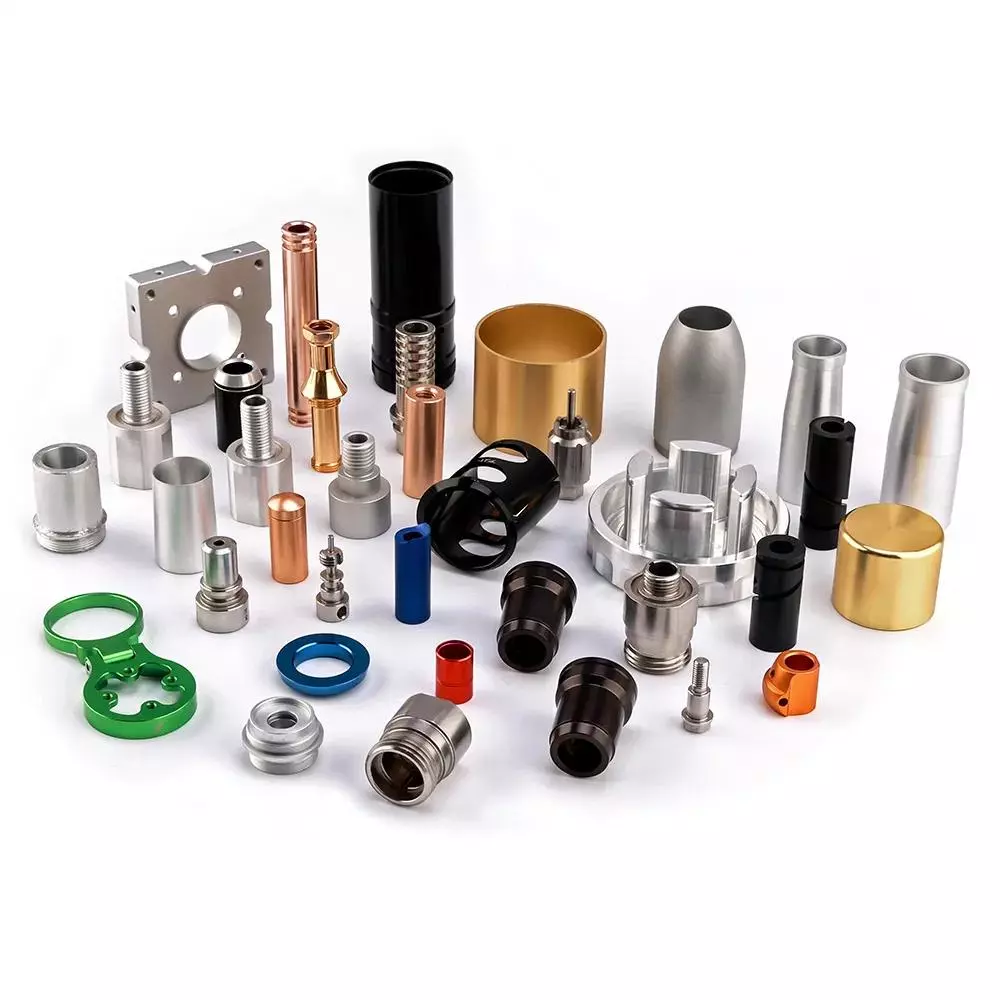
Custom CNC turned components in metal and engineering plastic

Aluminum Alloys

6061-T6 · 7075-T6 · 6082

Used for shafts, sleeves, fittings, and lightweight mechanical components. Aluminum machines well in turning operations, including threading, boring, and profile turning.

Stainless Steel

303 · 304 · 316/316L · 17-4PH

Used for shafts, threaded fittings, valve components, and corrosion-resistant parts. Cutting conditions are selected according to the grade, hardness, and required surface finish.

Carbon & Alloy Steel

1018 · 1045 · 4140

Used for shafts, pins, rollers, and other mechanical parts. We machine steel in different material conditions, with heat treatment and finish machining arranged where specified.

Brass & Bronze

C360 Brass · C932 Bronze

Brass is commonly turned into fittings, adapters, and threaded connectors. Bronze is used for bushings, bearing sleeves, and wear components.

Copper

C101 · C110

Used for electrical contacts, conductive terminals, and connectors. Machining requires attention to burr formation and surface quality, particularly on small features.

Engineering Plastics

POM · PEEK · PTFE · Nylon

Used for bushings, spacers, sleeves, and insulating components. Material expansion and deformation are considered during machining, especially for thin-walled parts.

Other Materials & Grades

We also accept drawings specifying other metal alloys and engineering plastics. Provide the material grade, quantity, and any heat treatment or finishing requirements so we can review the machining requirements and quote accordingly.

From Drawing to Delivery

We handle CNC turning orders from quotation through production, inspection, and shipment. Each order is processed according to your confirmed drawings, specifications, quantity, and delivery requirements.

Submit Your Drawings

Send us your 2D drawings or 3D CAD files, along with the material, quantity, required tolerances, surface finish, and delivery date. If you have specific inspection or documentation requirements, include them with your inquiry.

Engineering Review & Quotation

We review the drawings for machinability, material availability, critical tolerances, and any secondary operations. Once the requirements are confirmed, we provide a quotation with pricing and estimated lead time.

CNC Turning & Production

After order confirmation, we arrange material procurement and production according to the approved specifications. Machining operations, secondary processing, and surface finishing are coordinated as required by the part.

Inspection & Quality Control

Parts are checked during production and before shipment according to the agreed inspection requirements. Critical dimensions, fits, and surface conditions are verified against your drawings. Inspection reports and material certificates are available when specified.

Packaging & Shipment

Finished parts are packaged according to their size, material, and surface condition to reduce the risk of damage during transport. We arrange shipment to the agreed destination and provide relevant shipping information.

Request a CNC Turning Quote

Send us your drawings and project requirements for review. We'll confirm the manufacturing details and provide a quotation based on your specifications.

Frequently Asked Questions About CNC Turning Services

Answers to common questions about custom CNC turned parts, machining requirements, quotations, inspection, and production orders.

What information do you need to quote a CNC turned part?

Please provide a 2D drawing or 3D CAD file, material grade, quantity, and any specified tolerances or surface treatments. A 2D drawing is particularly useful when the part has GD&T requirements, thread specifications, or critical surface finishes that may not be fully defined in the 3D model.

If some specifications are still being finalized, you can send the available drawings for an initial review.

Can you manufacture CNC turned parts with features that require milling?

Yes. Parts with flats, cross holes, keyways, or other non-rotational features may require additional milling or drilling operations.

We review the complete part geometry to determine whether these features can be produced through combined machining operations or require a separate setup. This is considered during quotation rather than treating the turning and secondary operations as unrelated jobs.

Can you machine thin-walled parts and long shafts?

We can manufacture thin-walled sleeves, tubular components, and slender shafts, subject to the part geometry and material.

Thin walls may deform under clamping or cutting forces, while slender shafts are more susceptible to deflection and vibration. Wall thickness, length-to-diameter ratio, and tolerance requirements are reviewed when planning the machining process.

Do you accept prototype orders and small production quantities?

Yes. We accept prototype, small-batch, and repeat production orders.

For prototypes, machining can be arranged according to the current drawing revision and functional requirements. For repeat orders, previously confirmed specifications and inspection requirements can be used as references to maintain consistency between batches.

Can you manufacture mating shafts and bushings to specified fits?

Yes. We manufacture shafts, bushings, sleeves, and other mating parts according to the fit requirements shown on your drawings.

For clearance, transition, or interference fits, the relevant shaft and bore limits must be defined. We also consider related geometric requirements, such as roundness and runout, where they affect assembly or rotational performance.

Can you work from an existing part if no manufacturing drawing is available?

If you have an existing physical component but no production drawing, we can review the part for reverse engineering.

Depending on the component, this may involve dimensional measurement, reconstruction of a CAD model, and confirmation of material or functional requirements before manufacturing. Features that cannot be determined reliably from measurement alone may require additional information.

Can you provide inspection reports and material certificates?

Yes. Dimensional inspection reports, first article inspection (FAI) documentation, and material certificates can be arranged when specified in the order.

Please identify any required inspection points, documentation formats, or material traceability requirements during the quotation stage so they can be included in the manufacturing and inspection arrangements.

What determines the cost and lead time of custom CNC turned parts?

Pricing and lead time depend on the material, part dimensions, quantity, machining complexity, tolerance requirements, and any secondary operations.

Features requiring additional setups, specialized tooling, tighter tolerances, or post-machining treatments can affect both machining time and cost. We review these requirements before providing a quotation and estimated production lead time.

Scroll to Top

Get in Touch

Tell us what you need manufactured, and our team will review your inquiry and follow up with you.